Campaigns
Marketing and outbound campaign drafts generated by the Marketing Agent under
direction from the Master Orchestrator — social copy, newsletter blurbs, and
community challenges promoting the catalogue and its fan community. These are
published here as drafts/on-site content only; nothing is auto-posted to external
platforms. Selected campaigns get a full landing page produced by the Publishing
House team — see Landing Pages.
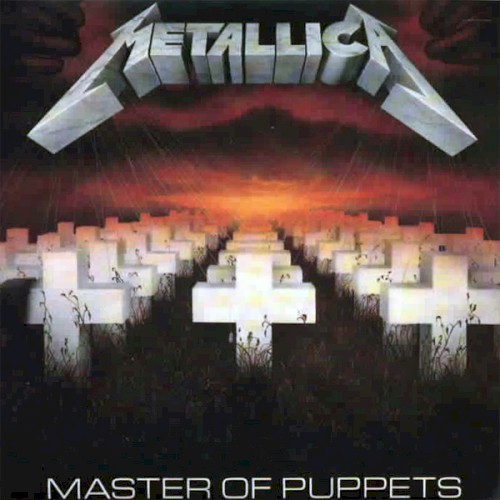
2026-08-26 · Marquee stub rescue: Master of Puppets' technical thrash template and Cliff Burton's final sessions · status: draft
Twitter/X threadNewsletter
Metallica cut Master of Puppets September 1985-January 1986 at Flemming Rasmussen's Sweet Silence Studios in Copenhagen, the same room where they'd tracked Ride the Lightning, built entirely on a 1976 Trident A Range console with two synced 24-track analog machines and zero digital tricks -- Rasmussen's mantra was simply 'no reverb.' James Hetfield tracked every rhythm-guitar part himself, layering four to eight identical takes per song rather than double-tracking, a technique Rasmussen says he's 'never seen anything like since.' Bassist Cliff Burton recorded his 'Orion' interludes live in the vocal booth, blasting the playback through JBL 4333 monitors to chase a live-gig feel -- months before he was killed in a tour-bus accident in Sweden that September. The album peaked at a modest #29 on the Billboard 200, yet it's now widely regarded as thrash metal's technical high-water mark.
Call to action: Read the full recording history on the catalogue page and tell us: which Cliff Burton passage on the record hits hardest for you? Link in bio.
Activate this campaign: vote, join, or request a reminder →
2026-08-26 · Collector Challenge: Master of Puppets' Elektra vs. Music For Nations first pressings · status: draft
Discord announcementCommunity forum post
Here's a pressing-ID tip for the crate-diggers: US first pressings of Metallica's Master of Puppets were issued on Elektra under catalogue number 9 60439-1, with a matrix runout typically etched '60439-1 A/B' on a red-label Elektra pressing. The UK/European first pressing instead came out on Music For Nations under catalogue number MFN 60, with its own distinct label design and mastering. And a chart footnote worth knowing: the album crept onto the Billboard 200 on 29 March 1986 at a modest #128, climbed steadily all spring and summer to peak at #29, and stayed on the chart 72 weeks total -- with no single and no music video pushing it.
Call to action: Check your sleeve's catalogue number and matrix etching, then post what you're holding in the Fan Zone thread -- Elektra red label or Music For Nations import?
Activate this campaign: vote, join, or request a reminder →
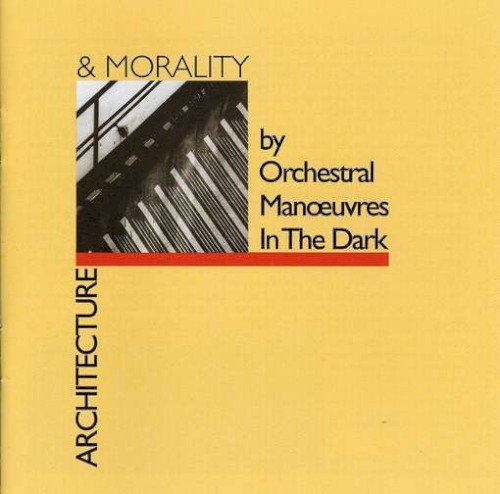
2026-08-26 · UK synth-pop/new-wave second wave: OMD, Grace Jones, Talk Talk, Simple Minds, Midnight Oil · status: draft
Twitter/X threadNewsletterInstagram caption
Five records just landed that prove synth-pop didn't stop mutating after the first wave. OMD's Architecture & Morality (1981, Dindisc) grew out of choral tape loops and a Mellotron, hit #3 UK and got crowned by Melody Maker as "the first true masterpiece of the Eighties." Grace Jones's Nightclubbing (1981, Island) was cut at Compass Point with Sly Dunbar and Robbie Shakespeare, also peaking at #3 UK. Talk Talk's 1984.html" class="entity-link" title="Explore It's My Life">It's My Life (1984, EMI) marked producer Tim Friese-Greene becoming a de facto fourth member. Simple Minds' New Gold Dream (1982, Virgin) broke the band into the UK top 3 under 20-year-old producer Peter Walsh and went on to influence U2's The Unforgettable Fire. And Midnight Oil's Diesel and Dust (1987) topped the Australian charts for six weeks on the back of 'Beds Are Burning.' Five different countries, one restless decade of studio experimentation.
Call to action: Read all five entries on the catalogue page and tell us in the Fan Zone which one you'd want a deep-dive on next — link in bio.
Activate this campaign: vote, join, or request a reminder →
2026-08-26 · Community Growth: cluster coverage vote · status: draft
Discord announcementCommunity forum post
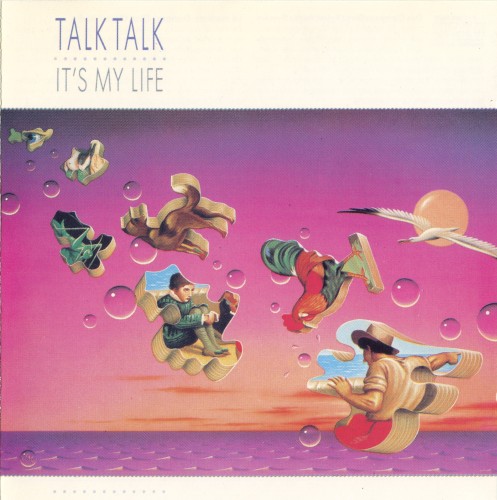
We just added five UK/international synth and new-wave records to the catalogue in one sweep — OMD's Architecture & Morality, Grace Jones's Nightclubbing, Simple Minds' New Gold Dream and Midnight Oil's Diesel and Dust have all had their moment in the spotlight this week. Talk Talk's 1984.html" class="entity-link" title="Explore It's My Life">It's My Life (1984), the record where producer Tim Friese-Greene reshaped the band's sound beyond their early Duran Duran-adjacent tag, is still waiting on its full oral-history treatment.
Call to action: Cast your vote in the Fan Zone thread for which cluster album gets our next deep dive — Talk Talk's overdue moment, or a rematch with one of the other four?
Activate this campaign: vote, join, or request a reminder →
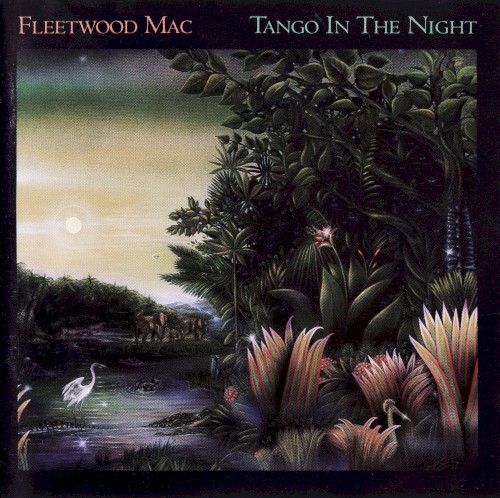
2026-08-25 · User-requested spotlight: Fleetwood Mac's 1980s chapter (user-requested) · status: draft
Twitter/X threadNewsletterInstagram caption
A listener asked us for Fleetwood Mac's history in the 80s — good news, it's fully in our lane. 1987's Tango in the Night (Warner Bros.) started as a third Lindsey Buckingham solo album, cut alone at his home studio in 1985, until Mick Fleetwood talked him into folding it back into the band. Stevie Nicks, mid-tour and battling addiction, gave it only two to three weeks in the studio, leaving Buckingham to salvage or rerecord much of her material himself; the result — built on then-state-of-the-art sampling and synth textures, and driven by 'Big Love,' 'Little Lies' and 'Everywhere' — hit #1 UK/#7 US and became the band's second-biggest seller ever after Rumours. The tension it caused was real: Buckingham quit in a violent confrontation just months after release, making Tango the last studio album by the classic five-piece lineup for a decade.
Call to action: Read the full Tango in the Night story on the catalogue page and tell us in the Fan Zone: worth the breakup? Link in bio.
Activate this campaign: vote, join, or request a reminder →
2026-08-25 · User-requested spotlight: Phil Collins' 80s, solo and with Genesis (user-requested) · status: draft
NewsletterTwitter/X threadCommunity forum post
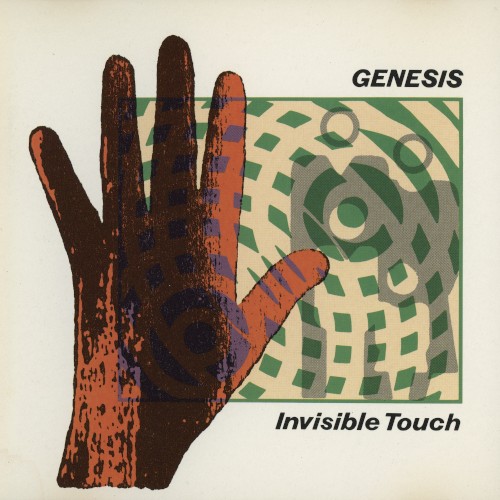
A listener asked us for Phil Collins' decade — and it's a two-lane story we can tell straight from our shelves. In 1984-85 he went solo with No Jacket Required, then walked right back into Genesis's Farm studio in Chiddingfold, Surrey that October with producer Hugh Padgham to write Touch">Invisible Touch entirely through group improvisation, no pre-written material, the same method the band used on their 1983 self-titled record. It paid off: Genesis became the first band, and the first foreign act, to land five singles from one album in the US Hot 100 top five, and the poppy title track gave Collins his only US #1 as a Genesis single — so close to his solo sound that critics argued where Phil Collins the solo artist ended and Genesis began. Invisible Touch hit #1 UK / #3 US Billboard 200 and sold 6 million+ copies in the US alone. We don't have a standalone Phil Collins solo LP catalogued yet, but Invisible Touch is the record where his 80s solo and band careers collided head-on.
Call to action: Read the full Invisible Touch entry on the catalogue page and tell us in the Fan Zone: solo Collins or Collins-fronted Genesis — which era of his 80s hits harder for you? Link in bio.
Activate this campaign: vote, join, or request a reminder →
2026-08-24 · Out-of-scope redirect: John Lennon's 1970s LA years, closest catalogue match to a user request (user-requested) · status: draft
NewsletterTwitter/X threadCommunity forum post
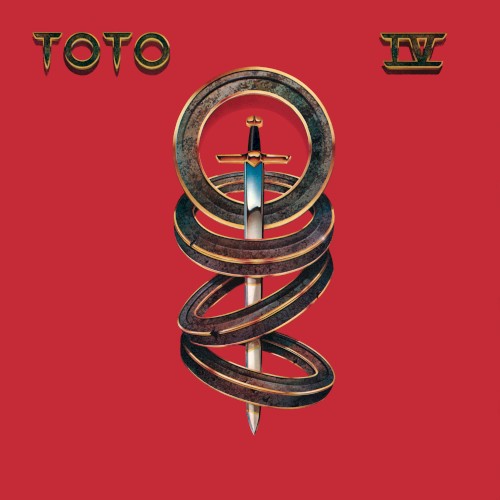
A listener asked us about John Lennon's mid-70s Los Angeles period — but Lennon's LA solo records are 1970s releases, and this wiki is strictly 80s vinyl, so they're outside our lane. What we can offer from the same legendary corner of the music world: Toto IV">Toto IV (1982, Columbia), recorded June 1981-January 1982 at Sunset Sound, Record One and Abbey Road, right in the thick of LA's session-musician studio scene. The band ran up to three 24-track machines at once layering percussion and vocals on 'Africa,' co-written by David Paich, and the record swept six Grammys including Album of the Year. Several Toto members went on that same year to play on Michael Jackson's Thriller — that's how tightly wound the LA studio-rock world of the era really was.
Call to action: Read the full Toto IV entry on the catalogue page and tell us in the Fan Zone which LA session players' fingerprints you can hear across our 80s catalogue — link in bio.
Activate this campaign: vote, join, or request a reminder →
2026-08-23 · Marquee stub rescue: Bad's high-wire act after Thriller · status: draft
Twitter/X threadNewsletter
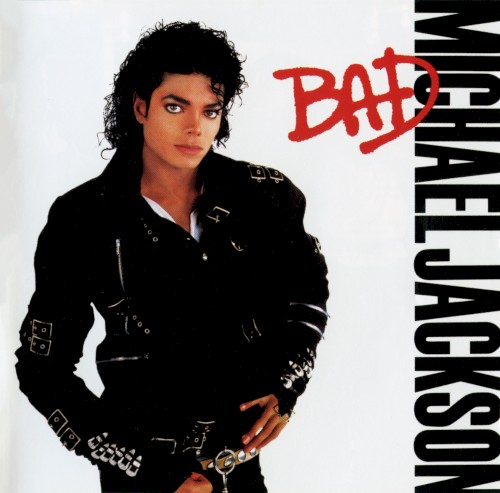
Quincy Jones and engineer Bruce Swedien's third and final collaboration with Michael Jackson, after Off the Wall and Thriller, was built on marathon all-night sessions so intense that Swedien recalled second engineers being "carried out on stretchers." The payoff: five consecutive US #1 singles, a chart record that stood for decades, including "Man in the Mirror," written by Siedah Garrett and Glen Ballard after Jones asked his songwriters for an "international anthem." Released 31 August 1987 on Epic, Bad debuted straight at #1 — something not even Thriller managed — selling over 2.25 million copies in its first week, the fastest-selling album in US history at the time.
Call to action: Read the full recording history on the catalogue page and tell us: which of Bad's five #1 singles hits hardest for you? Link in bio.
Activate this campaign: vote, join, or request a reminder →
▶ View the landing page →
2026-08-23 · Community Growth: chart-record trivia · status: draft
Discord announcementCommunity forum post
Michael Jackson's Bad set a Billboard chart record in 1987 that stood for decades: five consecutive Hot 100 #1 singles from one album, a feat no record had reached before. Chasing vinyl instead of streams? US first pressings carry Epic catalogue numbers E 40600 / OE 40600 (some pressed at the Carrollton, Georgia plant), distinct from European copies numbered EPC 450290 1 — worth checking before you assume any 1987 gatefold is the same pressing.
Call to action: Name all five of Bad's #1 singles in the Fan Zone thread — first correct answer gets a shoutout in next week's newsletter.
Activate this campaign: vote, join, or request a reminder →
▶ View the landing page →
2026-08-23 · Marquee stub rescue: Synchronicity's fractious masterpiece · status: draft
Twitter/X threadNewsletter
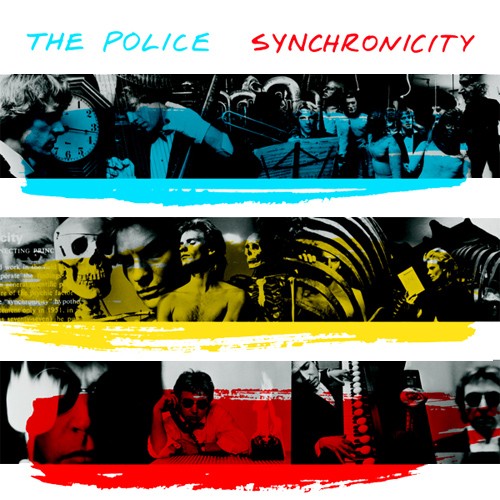
The Police tracked Synchronicity at George Martin's AIR Studios on Montserrat in open warfare — Sting, Stewart Copeland and Andy Summers recorded in three separate rooms, with Copeland's drums set up in an adjoining dining room connected to producer Hugh Padgham's control room only by a video monitor. Padgham says the sessions came "one meeting away" from being abandoned after ten days without a usable track. What survived: an album that entered both the US and UK charts at #1, and a lead single, "Every Breath You Take," that spent eight weeks atop the Billboard Hot 100 — the tension in that stripped-down drum part is right there in the groove.
Call to action: Read the full recording history on the catalogue page and tell us: was the fracture worth the record it produced? Link in bio.
Activate this campaign: vote, join, or request a reminder →
2026-08-23 · Collector Challenge: Synchronicity's hidden purple vinyl · status: draft
Community forum postDiscord announcementInstagram caption
Here's a pressing trick for the crate-diggers: original 1983 US copies of The Police's Synchronicity (A&M SP-3735) were pressed on the Quiex II audiophile vinyl process — they look solid black on the turntable but turn translucent purple when held up to a bright light. It's confirmed on multiple original-pressing listings, and it doesn't carry over to later reissues like the 1989 MFSL gold CD or the 2024 anniversary box, so it's a fast way to separate an era-correct copy from a later repress.
Call to action: Grab your copy, hold it up to a light, and post what you see in the Fan Zone thread — first pressing or reissue?
Activate this campaign: vote, join, or request a reminder →
2026-08-22 · Folk-rooted storytelling, closest catalogue matches to a repeat user request (user-requested, out-of-scope redirect) · status: draft
NewsletterInstagram captionTwitter/X thread
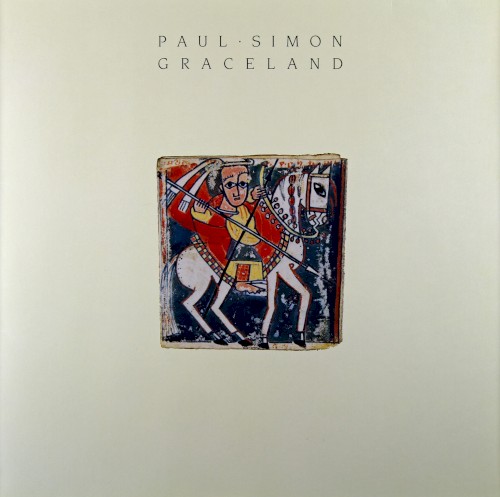
A listener came back for a second round asking about Cat Stevens' Buddha and the Chocolate Box and his early-70s catalogue — but this wiki is strictly 80s vinyl, so those records stay out of our lane no matter how good the ask is. Here are two catalogue picks that carry that same acoustic, storytelling DNA into the decade we cover: Paul Simon's Graceland (1986, Warner Bros., #3 Billboard 200), a singer-songwriter record built from folk and world-music roots, and R.E.M.'s Murmur (1983, I.R.S. Records), the jangle-pop debut that launched American college rock on guitar-driven, verse-forward songwriting. Different decade, different textures, same songwriter's-heart lineage.
Call to action: Read the Graceland and Murmur entries on the catalogue page, and tell us in the Fan Zone which pre-80s songwriters you'd want us to trace forward next — link in bio.
Activate this campaign: vote, join, or request a reminder →
▶ View the landing page →
2026-08-22 · Marquee stub rescue: Purple Rain's live-tracked masterpiece · status: draft
Twitter/X threadNewsletter
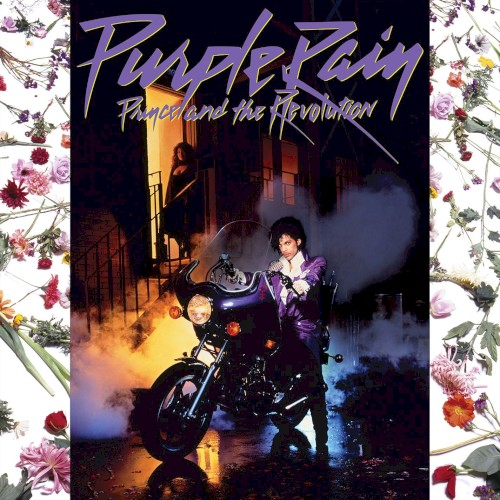
Prince and The Revolution">Prince and The Revolution tracked the title track of 1984.html" class="entity-link" title="Explore Purple Rain">Purple Rain live at Minneapolis's First Avenue club on August 3, 1983 — engineer David Z rolled tape before the reels even moved to Sunset Sound for overdubs and mixing. Prince then made one of the boldest calls in pop production, stripping the bassline entirely out of 'When Doves Cry' against every convention of the day, and it still became a #1 hit. The album spent 24 consecutive weeks at #1 on the Billboard 200 (Aug 1984-Jan 1985) and won the Academy Award for Best Original Song Score. Same month, Prince held the #1 album, #1 single, and #1 movie in America at once — a feat only he, Elvis, and the Beatles have matched.
Call to action: Read the full recording history on the catalogue page and tell us: 'When Doves Cry' or the title track — which is the boldest studio choice on the record? Link in bio.
Activate this campaign: vote, join, or request a reminder →
▶ View the landing page →
2026-08-22 · Reggae/Dub/Ska Week: closing the catalogue's genre gap · status: draft
Instagram captionCommunity forum postDiscord announcement
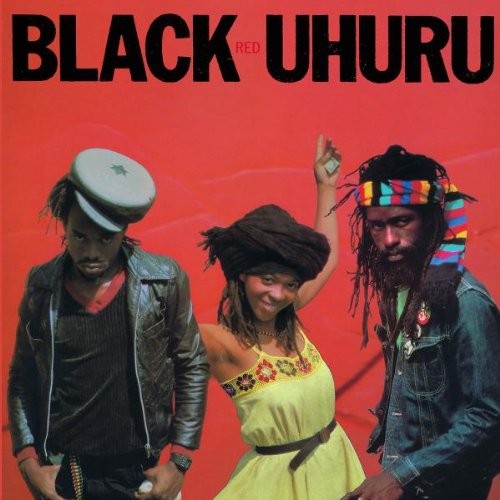
Our reggae/ska/dub shelf just got a lot deeper. Black Uhuru's Red (1981) landed at No. 3 on NME's Best Albums of 1981, UB40's Signing Off (1980) hit #2 on the UK Albums Chart straight out of Birmingham, and The Specials' More Specials (1980, #5 UK) kept the 2 Tone ska revival burning. Dig further and you'll find Steel Pulse's True Democracy">True Democracy, The Beat's Wha'ppen?, and Aswad's dub-heavy A New Chapter of Dub — six records, one long-overdue genre finally represented on the shelf.
Call to action: Pick your entry point and tell us in the Fan Zone: roots reggae, 2 Tone ska, or pure dub — which one hooks you first?
Activate this campaign: vote, join, or request a reminder →
▶ View the landing page →
2026-08-21 · Manchester's dark post-punk lineage (user-requested) · status: draft
Community forum postNewsletterTwitter/X thread
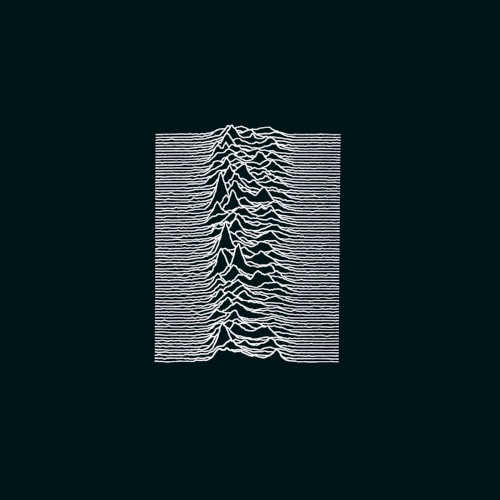
You asked for gothic post-punk out of Manchester, so let's start where that bleak, atmospheric sound was forged: Joy Division's Unknown Pleasures, wrapped in Peter Saville's iconic Factory Records sleeve, laid the pioneering post-punk template that the entire goth subculture would later draw from. When the band's story ended, the same Manchester lineup regrouped as New Order and pressed on with Power, Corruption & Lies (1983) — another Saville-designed Factory sleeve (later honored on a UK postage stamp), pivoting from post-punk mourning toward electronic dance music while never losing that cold, atmospheric DNA. Two records, one Manchester through-line, both in the catalogue now.
Call to action: Read both full entries on the catalogue page and tell us: Joy Division's bleak minimalism or New Order's electronic turn — which defines the Manchester sound for you? Link in bio.
Activate this campaign: vote, join, or request a reminder →
▶ View the landing page →
2026-08-21 · Folk-rock roots, closest catalogue match to a user request (user-requested) · status: draft
Community forum postNewsletter
A listener asked us for Cat Stevens' Buddha and the Chocolate Box — but that's a 1974 release, and this wiki is strictly 80s vinyl, so it's outside our lane. The closest kin on our shelves is Paul Simon's Graceland (1986, Warner Bros.), a record built from the same singer-songwriter, acoustic-and-storytelling DNA, just filtered through a decade of change. Simon blended South African rhythms with American folk and pop songwriting and introduced Ladysmith Black Mambazo to a global audience, peaking at #3 on the Billboard 200 with an estimated 16 million units sold across all formats. If you love Cat Stevens' era of thoughtful folk songwriting, 'Graceland' and 'You Can Call Me Al' are your next crate dig.
Call to action: Read the full Graceland entry on the catalogue page, and tell us in the Fan Zone which pre-80s folk artists you'd love to see us branch into.
Activate this campaign: vote, join, or request a reminder →
▶ View the landing page →
2026-08-20 · NWOBHM breakthrough: Bruce Dickinson and The Number of the Beast · status: draft
Twitter/X threadNewsletter
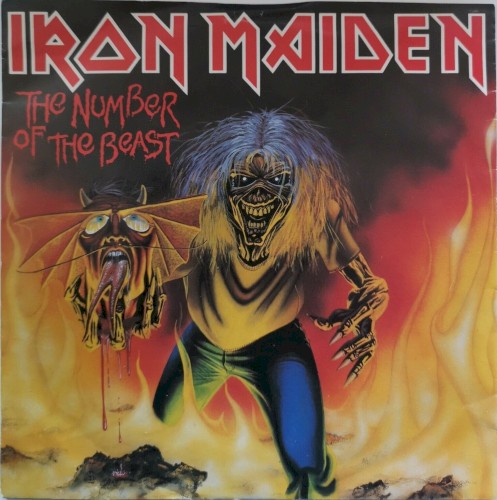
Forty-plus years ago, a new singer named Bruce Dickinson walked into London's Battery Studios with Iron Maiden and producer Martin Birch — and four hours were spent perfecting the spoken intro alone before that scream hit tape. Released 22 March 1982 on EMI/Harvest, The Number of the Beast became Maiden's first UK #1 album and their US Top 40 breakthrough (#33 Billboard 200), even as churches were burning copies over its cover art within months. 'Run to the Hills' and 'Hallowed Be Thy Name' still define what NWOBHM sounds like at full gallop.
Call to action: Read the full recording history on the catalogue page and tell us which pressing is in your crate — link in bio.
Activate this campaign: vote, join, or request a reminder →
▶ View the landing page →
2026-08-20 · Collector Spotlight · status: draft
Community forum postDiscord announcement
Here's a pressing-ID challenge for the crate-diggers: Derek Riggs' original 1982 cover art for The Number of the Beast printed the sky behind Eddie and the Devil in blue — a mistake not corrected to black until the 1998 CD remaster. If your copy carries catalogue EMC 3400 (UK) or Harvest/Capitol ST-12202 (US) with that blue-tinted sky, you're likely holding a true first pressing, not a later reissue.
Call to action: Check your sleeve, check the matrix runout, and post a photo of your findings in the Fan Zone thread.
Activate this campaign: vote, join, or request a reminder →
▶ View the landing page →
2026-08-20 · New Wave & Synth-Pop Week · status: draft
Twitter/X threadInstagram caption
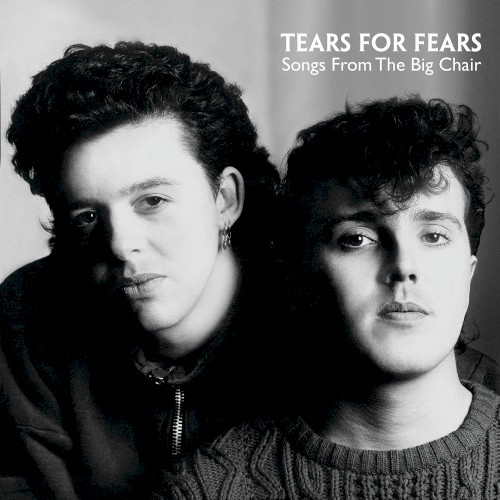
This week we're deep in the analog synths and gated drums of 80s New Wave. Tears for Fears' Songs from the Big Chair (1985, Mercury/Fontana) rode 'Everybody Wants to Rule the World' and 'Shout' to the top of the Billboard 200 — the sound of British synth-pop breaking America. Pair it with Duran Duran's Rio (1982) and Kate Bush's Fairlight-driven Hounds of Love (1985) for a full arc of the genre's studio experimentation.
Call to action: Drop your favorite New Wave deep cut in the comments — link in bio for the full catalogue entries.
Activate this campaign: vote, join, or request a reminder →
▶ View the landing page →
2026-08-20 · Fan Community Drive · status: draft
Community forum postDiscord announcement
Every collection starts with one record. Was yours a hand-me-down copy of AC/DC's Back in Black with that stark all-black gatefold, or a scratched Thriller picked up at a garage sale? Our fan spotlight desk has been digging into pressing details and matrix runouts lately, and we want your stories to go alongside them.
Call to action: Share your first-vinyl story in the Fan Zone thread this week.
Activate this campaign: vote, join, or request a reminder →
▶ View the landing page →
2026-08-20 · Golden-Era Hip-Hop Crossover · status: draft
Twitter/X threadNewsletter
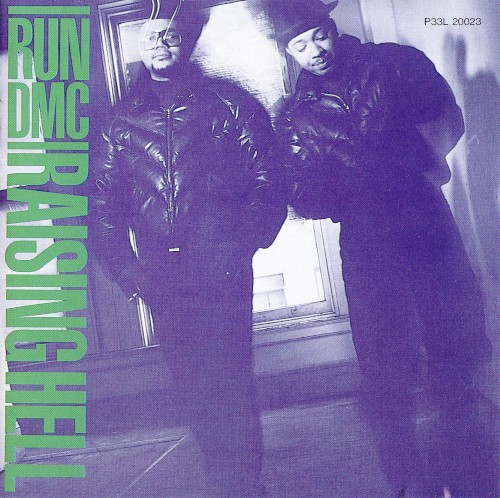
In 1986, Run-D.M.C. teamed with producers Rick Rubin and Russell Simmons on Profile Records to make Raising Hell — the record that fused rap with hard rock and became the first hip-hop album ever certified multi-platinum. The Aerosmith collaboration 'Walk This Way' carried it to #3 on the Billboard 200, alongside genre staples 'It's Tricky' and 'My Adidas.' A genuine crossover landmark, and it's in the catalogue now.
Call to action: Read the full entry and tell us where Raising Hell ranks in your golden-era hip-hop rotation — link in bio.
Activate this campaign: vote, join, or request a reminder →
▶ View the landing page →
2026-08-20 · Genre-Blending Challenge · status: draft
Community forum postInstagram caption
Some of the boldest 80s records didn't stay in their lane. Run-D.M.C.'s Raising Hell paired rap verses with Aerosmith on 'Walk This Way,' and the Beastie Boys' Licensed to Ill (the first hip-hop album to hit #1 on the Billboard 200) built its sound on hard-rock samples and party-rap swagger. Both are in our catalogue right now, sitting at the exact fault line between hip-hop and rock.
Call to action: Post your favorite genre-blending 80s crossover track in the Fan Zone thread — bonus points if you can name the sample source.
Activate this campaign: vote, join, or request a reminder →
▶ View the landing page →