Fan Zone
2026-08-26 · spotlight
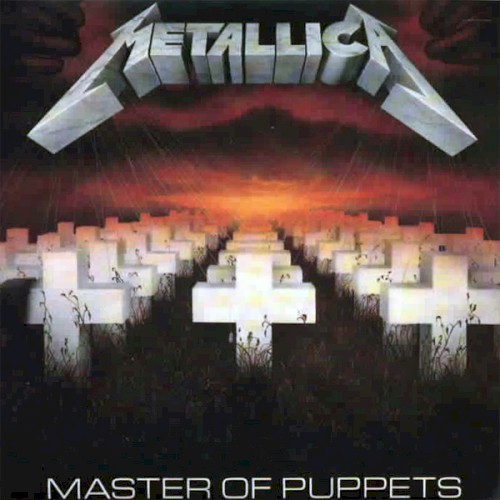
Master of Puppets: Cliff Burton's Last Studio Statement and Thrash's Technical Peak
Recorded September 1985-January 1986 at Flemming Rasmussen's Sweet Silence Studios in Copenhagen -- the same room where Metallica cut Ride the Lightning -- Master of Puppets was built on a 1976 Trident A Range console with two synced 24-track analog tape machines and zero digital tricks, chasing Rasmussen's 'no reverb' mantra by capturing huge natural room ambience for the drums in the studio's 45-by-60-foot warehouse space. James Hetfield tracked every rhythm-guitar part himself -- Kirk Hammett played none -- typically layering four to eight identical takes per song, a technique Rasmussen says he's 'never seen anything like since.' Bassist Cliff Burton cut his 'Orion' interludes live in the vocal booth, blasting JBL 4333 monitors to recreate a live-gig feel, months before his death in a Swedish tour-bus accident that September. Elektra released the album on 3 March 1986; despite peaking at only #29 on the Billboard 200, it's now regarded as thrash metal's technical high-water mark.
2026-08-26 · on-this-day
Master of Puppets Crept Onto the Charts, Then Never Left
Master of Puppets entered the Billboard 200 on 29 March 1986 at a modest #128, then climbed steadily across the spring and summer to peak at #29 -- and stayed on the chart for 72 weeks total, an unusually long run for a thrash record with no single, no music video, and almost no radio push. Metallica simply toured behind it instead, opening for Ozzy Osbourne through 1986. On March 23, 2016, the album was added to the Library of Congress's National Recording Registry for being 'culturally, historically, or aesthetically significant,' among the first metal albums ever selected.
2026-08-26 · collector-tip
Master of Puppets: Elektra vs. Music For Nations First Pressings
US first pressings of Master of Puppets were issued on Elektra under catalogue number 9 60439-1, with matrix runout typically etched '60439-1 A/B' on a red-label Elektra pressing. The UK/European first pressing instead came out on Music For Nations under catalogue number MFN 60, with its own distinct label design and mastering -- collectors often note the two sound noticeably different, so don't assume any 1986 gatefold copy shares the US catalogue number. Confirm label branding and matrix etching together before paying a premium for a 'first pressing.'
2026-08-26 · spotlight

Architecture & Morality: How OMD Built a Cathedral Out of a Mellotron
Released in 1981 on Dindisc, OMD's Architecture & Morality grew out of choral tape loops that touring keyboardist Dave Hughes gave Paul Humphreys from a session at Liverpool's Amazon Studios -- the band then bought a Mellotron after Andy McCluskey fell for the choir sound it produced. Andy McCluskey initially dismissed lead single 'Souvenir' as too soft, only for it to become the band's joint-highest UK chart hit at #3. Melody Maker later called it 'the first true masterpiece of the Eighties' -- a title Peter Saville's sleeve designer girlfriend Martha Ladly unwittingly gifted the record, having borrowed it (with permission) from a David Watkin book she was reading called 'Morality and Architecture.'
2026-08-26 · trivia
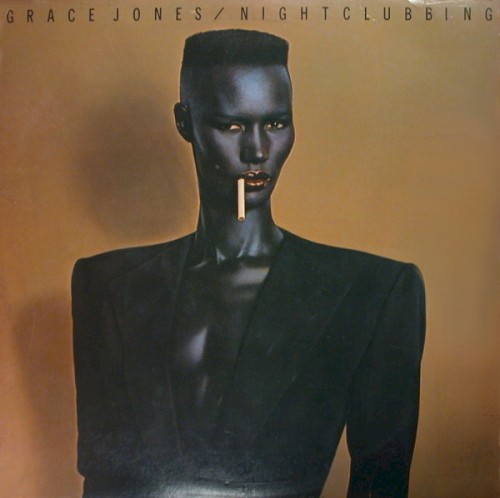
Grace Jones's Nightclubbing Cover Was Never Meant to Be Hers
The title track of Grace Jones's 1981 album Nightclubbing is actually a cover of Iggy Pop and David Bowie's original from Iggy's The Idiot -- reworked at Chris Blackwell's Compass Point Studios in Nassau with the Jamaican rhythm section Sly Dunbar and Robbie Shakespeare turning it into cool, dub-inflected art-pop. Jean-Paul Goude's striking cover painting of Jones became one of the era's most instantly recognizable images and helped cement her commercial breakthrough.
2026-08-26 · trivia
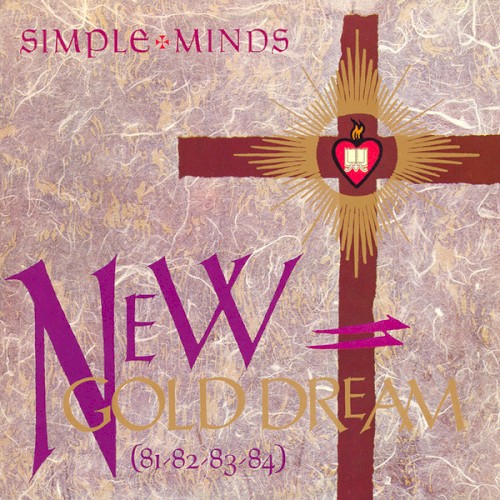
Simple Minds Landed Their Producer by Playing a Tiny Gig in Belgium
Simple Minds' 1982 breakthrough New Gold Dream (81/82/83/84) came together after 20-year-old producer Peter Walsh -- fresh off Heaven 17's Penthouse and Pavement -- happened to catch the band play a small gig in Liege, Belgium. Written at Rockfield Studios and recorded at London's Townhouse, the album's brighter, more cinematic sound broke Simple Minds into the UK top 3 and is widely cited as a direct influence on U2's The Unforgettable Fire.
2026-08-26 · on-this-day
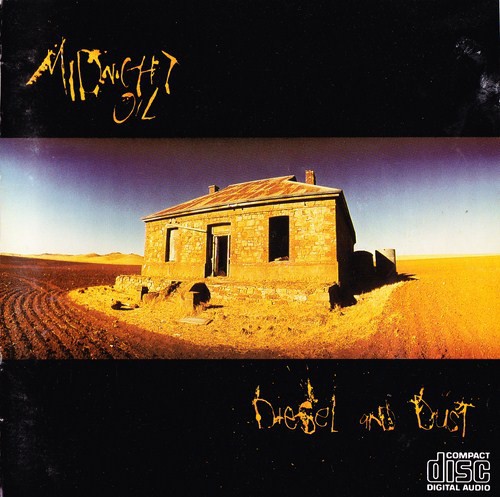
Beds Are Burning: Midnight Oil's Biggest International Hit Turns Another Year Older
Midnight Oil released 'Beds Are Burning' as a single on 10 August 1987, the lead-off track from that August's Diesel and Dust -- a concept album born directly out of the band's 1986 Blackfella/Whitefella Tour through remote Indigenous Australian communities. The album topped the Kent Music Report Australian albums chart for six weeks, while the single became the band's biggest international hit, reaching #6 in Australia, #6 in the UK, and #17 on the Billboard Hot 100.
2026-08-25 · spotlight
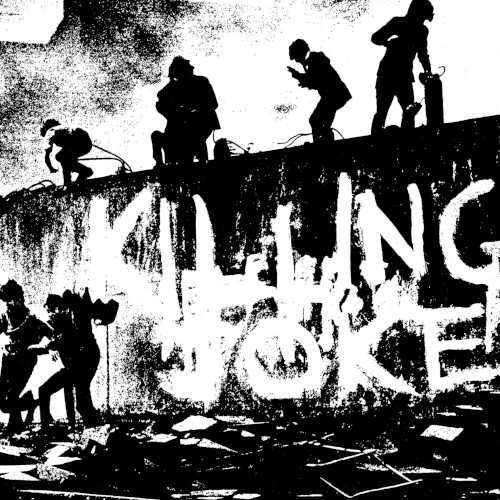
Killing Joke: The Debut That Recorded Itself Live and Meant It
Recorded in August 1980 at Marquee Studios in London and released that October on E.G./Polydor, Killing Joke's self-titled debut was tracked live with almost no overdubs -- the band deliberately hired only an engineer, not a producer, so no outside vision could soften their sound. The result fused tribal drums, industrial dissonance and dub-heavy bass into a template that helped seed both industrial rock and gothic metal, with tracks like 'Wardance' and 'Requiem' still standing as genre landmarks. It's the richest-sourced anchor of the fresh UK post-punk cluster we're spotlighting this week -- more from Gang of Four, Public Image Ltd., Magazine and The Fall to come.
2026-08-25 · on-this-day
Killing Joke's Debut Cracked the UK Top 40
Killing Joke's self-titled debut album entered the UK Albums Chart on 25 October 1980 at #41, climbing to its peak of #39 the following week before a nine-week chart run. Modest numbers on paper, but the record's confrontational, self-produced sound went on to influence a generation of industrial and gothic acts far beyond its original chart placing.
2026-08-25 · collector-tip
Spotting an Original Killing Joke Pressing: EGMD 5.45
The original 1980 UK vinyl pressing of Killing Joke's debut was issued on Malicious Damage/E.G. (distributed by Polydor) under catalogue number EGMD 5.45, housed in a gatefold sleeve whose collage artwork -- credited to designer Mike Coles but uncredited on the sleeve itself -- incorporates photographer Donald McCullin's images of civil unrest in Derry, Northern Ireland. The contemporaneous US pressing carries a different catalogue number, EGS 109 on Editions EG, so check the label and cat# together before assuming any gatefold copy is the UK first press.
2026-08-25 · trivia
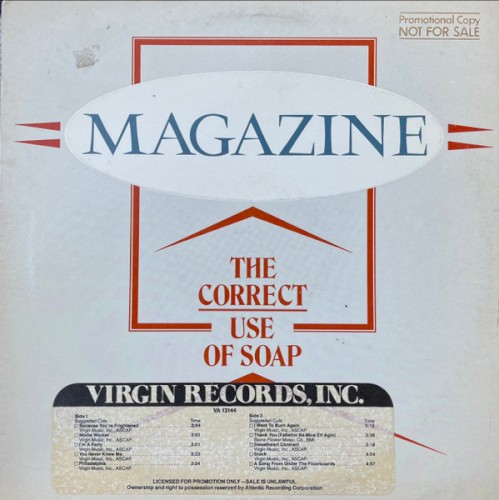
Magazine Covered Sly and the Family Stone to Make Their Weirdest Album Their Poppiest
On The Correct Use of Soap (1980), Magazine closed the record with a cover of Sly and the Family Stone's 'Thank You (Falettinme Be Mice Elf Agin)' -- a funk classic reworked through Howard Devoto's paranoid delivery and John McGeoch's percussive guitar. Produced by Joy Division collaborator Martin Hannett, it's widely considered the most accessible entry point into Magazine's catalogue, part of the fresh UK post-punk second wave now in our catalogue alongside Killing Joke, Gang of Four, PiL and The Fall.
2026-08-25 · trivia
Gang of Four Rebuilt Their Rhythm Section Mid-Career for Songs of the Free
For 1982's Songs of the Free, Gang of Four brought in new bassist Sara Lee to replace founding member Dave Allen and handed production to Mike Howlett -- fresh off work with OMD and Tears for Fears -- for sessions at Ridge Farm Studios in Surrey. The result pushed the band's Marxist funk-punk toward a fuller, more melodic pop sound while keeping the politically pointed lyrics of tracks like 'I Love a Man in a Uniform' fully intact.
2026-08-25 · trivia
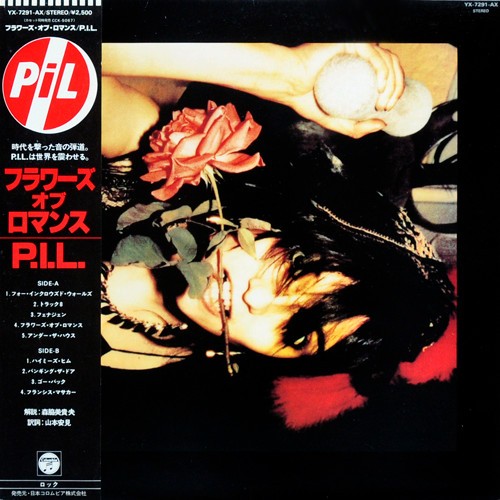
PiL Stripped Out the Bass Entirely on The Flowers of Romance
When bassist Jah Wobble left Public Image Ltd. before their third album, the band didn't replace the low end -- they let it disappear. The Flowers of Romance (1981) foregrounds Martin Atkins' massive drums and John Lydon's wailing vocals instead, a stark, rhythm-driven record so radical that Virgin Records reportedly balked at releasing it at all.
2026-08-25 · on-this-day
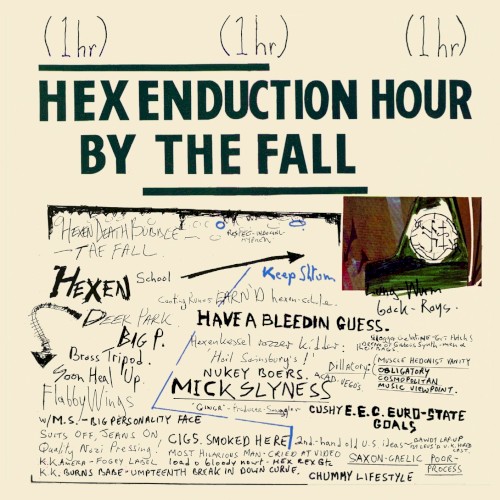
Hex Enduction Hour Gave The Fall Their First-Ever Chart Album
Released 8 March 1982 on Kamera Records, The Fall's Hex Enduction Hour -- recorded partly at a remote studio in Reykjavik, Iceland, with two drummers (Karl Burns and Paul Hanley) driving the rhythm -- became the band's first album ever to reach the UK Albums Chart, entering at #97 before climbing to a peak of #71. It's since sold 20,000+ copies and is widely regarded as The Fall's most revered record, closing out our first look at the fresh UK post-punk cluster alongside Killing Joke, Magazine, Gang of Four and PiL.
2026-08-24 · spotlight
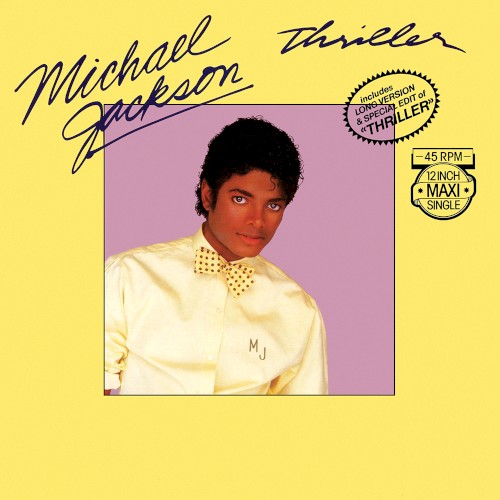
Thriller: Inside the Sessions That Built the Best-Selling Album in History
Michael Jackson's Thriller (Epic, 1982) reunited him with producer Quincy Jones, songwriter Rod Temperton and engineer Bruce Swedien, the Off the Wall team, at Westlake Recording Studios starting April 1982. Swedien tracked with the studio lights out at Jackson's request and used his own multi-machine 'Acusonic Recording Process' to capture overdubs in true stereo, while Eddie Van Halen cut an uncredited guitar solo on 'Beat It' and Vincent Price nailed his spoken-word rap on the title track in just two takes after Temperton wrote the verses in a taxi the night before. The whole album was remixed one track a day over eight days right before its December 1982 release to fix lingering technical issues -- and it's remained the best-selling album in history for more than four decades since.
2026-08-24 · on-this-day
Thriller Began Its Record 37-Week Reign at #1
On the Billboard 200 chart dated February 26, 1983, Thriller reached #1 for the first time, ten weeks after entering the chart. It went on to spend 37 non-consecutive weeks at the top spot through April 14, 1984, interrupted along the way by Flashdance and the Police's Synchronicity -- still the most weeks at #1 by any album ever released by a solo artist. Seven of its nine tracks became Top 10 singles, an achievement no album has matched since.
2026-08-24 · collector-tip
Spotting a True First-Pressing Thriller: Check the Back Cover Credits
Original US vinyl copies of Thriller were issued on Epic under catalogue number QE 38112 in a gatefold sleeve. Per Discogs pressing records, the earliest US first pressings (Columbia's Pitman, NJ plant, denoted by a 'P' etched or stamped in the runout) do NOT list Michael Jackson as a co-producer on the back cover -- that credit was only added on second pressings and later (including the Carrollton, GA plant runs, denoted 'G1' in the runout). If you're chasing a genuine 1982 first pressing, check the back-cover production credits alongside the runout etching before paying a premium.
2026-08-23 · spotlight
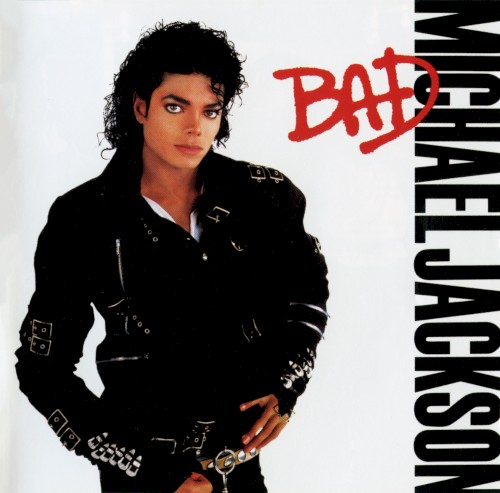
Bad: Quincy Jones and Michael Jackson's High-Wire Act After Thriller
Released 31 August 1987 on Epic, Bad was the third and final Michael Jackson album produced with Quincy Jones and engineer Bruce Swedien, following Off the Wall and Thriller — Jones later called it a "very honest" record, made after he pushed Jackson to write almost the entire album himself. The famously marathon, all-night studio sessions were intense enough that Swedien recalled second engineers being "carried out on stretchers," and the result yielded five consecutive US #1 singles, a chart record that stood for decades. The Martin Scorsese-directed short film for the title track underscored just how far Jackson pushed the album's visual ambition beyond the music itself.
2026-08-23 · on-this-day
Bad Debuted at #1 — the Fastest-Selling Album in US History (at the Time)
When Bad hit US record stores on 31 August 1987, it debuted straight at #1 on the Billboard Top Pop Albums chart and stayed there for six consecutive weeks, selling over 2.25 million copies in its first week alone — the fastest-selling album in US history up to that point. It was a rare feat: not even Thriller had debuted at #1. Bad would go on to spin off five consecutive Billboard Hot 100 #1 singles, a record no album had achieved before.
2026-08-23 · collector-tip
Original Bad Vinyl: Know Your Epic Catalogue Numbers
US first-pressing vinyl copies of Bad were issued as a gatefold LP on Epic under catalogue numbers E 40600 / OE 40600 (some pressed at the Carrollton, Georgia plant), released 31 August 1987 — distinct from the contemporaneous CD release on Epic EK 40600. European pressings instead carry the EPC 450290 1 catalogue number, so always cross-check the label and spine printing rather than assuming any 1987 gatefold copy shares the same US catalogue number.
2026-08-23 · spotlight
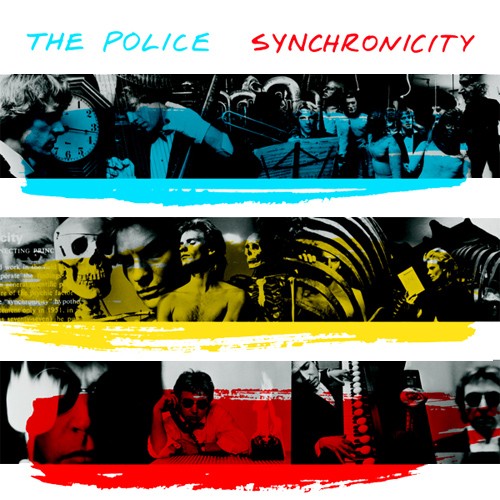
Synchronicity: The Police Recorded Their Masterpiece While Falling Apart
The Police's fifth and final studio album, Synchronicity, was tracked December 1982-February 1983 at George Martin's AIR Studios on Montserrat with producer Hugh Padgham, but the sessions were reportedly "one meeting away" from being scrapped after ten days without a usable track. Sting, Stewart Copeland and Andy Summers recorded in three separate rooms — Copeland's drums were set up in an adjoining dining room connected to Padgham's control room only by a video monitor — and "Every Breath You Take" crystallized the tension, with Sting insisting on a stripped-down drum part Copeland resented playing. It became the band's most successful and most fractious record, and the last they'd make together as a trio.
2026-08-23 · on-this-day
Synchronicity Knocked Thriller Off Top of the US Charts
Released in the UK on 17 June 1983 via A&M Records, Synchronicity debuted straight at #1 on the UK Albums Chart. In the US it climbed the Billboard 200 more slowly before finally hitting #1 in late July 1983 — interrupting Michael Jackson's Thriller, which had dominated the chart for most of the year — and went on to log 17 non-consecutive weeks at the top. Lead single "Every Breath You Take" hit #1 on the Billboard Hot 100 on 9 July 1983 and stayed there for eight straight weeks, becoming the year's biggest US hit and the Police's only Hot 100 chart-topper.
2026-08-23 · collector-tip
Spotting an Original Synchronicity Pressing: The Hidden Purple Vinyl
Original 1983 US pressings of Synchronicity were issued on A&M Records under catalogue number SP-3735, and many first-run copies were pressed using the Quiex II audiophile vinyl process — the record looks solid black on the turntable but turns translucent purple when held up to a bright light, confirmed by multiple original-pressing listings on Discogs. If you're chasing a true first pressing, check the SP-3735 catalogue number and hold the disc to a light source rather than assuming any black copy is era-correct, since later reissues (including the 1989 MFSL gold CD and 2024 anniversary box) don't share the same vinyl formula.
2026-08-22 · spotlight
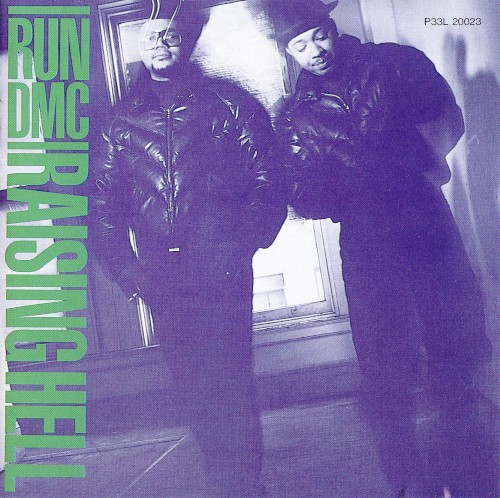
Raising Hell: The Album That Made Hip-Hop Platinum
Released 15 May 1986 on Profile Records and produced by Russell Simmons and Rick Rubin, Run-D.M.C.'s Raising Hell became the first hip-hop album certified Platinum, then Multi-Platinum, by the RIAA. Rubin's boldest move was pairing the trio with Aerosmith's Steven Tyler and Joe Perry for a full remake of 'Walk This Way' — a song Run-D.M.C. initially dismissed as 'hillbilly gibberish' before it became MTV's first true rap/rock crossover hit. The record peaked at #3 on the Billboard 200 and #1 on the R&B/Hip-Hop Albums chart, and its influence on hip-hop's golden era is hard to overstate.
2026-08-22 · on-this-day
"Walk This Way" Cracked the Billboard Top 5 — A Hip-Hop First
Run-D.M.C. and Aerosmith's 'Walk This Way' single dropped 4 July 1986 (recorded that March) and climbed to #4 on the Billboard Hot 100 — outperforming Aerosmith's own 1975 original, which had peaked at #10. It became the first hip-hop single ever to reach the Hot 100's top five, and its heavy MTV rotation helped both careers: Run-D.M.C. broke into the rock mainstream, and a struggling post-'Done with Mirrors' Aerosmith found their way back to the charts.
2026-08-22 · collector-tip
Raising Hell's Profile Records Vinyl: What to Look For
Original 1986 US pressings of Raising Hell were issued on Profile Records (catalogue PRO-1217) before the album's later reissues on Arista in 1999 and 2003 and an expanded 2005 remaster with five previously unreleased tracks. If you're chasing an era-correct first pressing, confirm the Profile Records label and matrix etching rather than assuming any black-vinyl copy is original — the RIAA first certified it Platinum on 15 July 1986, so genuinely early copies moved fast off store shelves.
2026-08-22 · trivia
Thriller's Title Track Almost Didn't Have a Rap
Michael Jackson's Thriller (Epic, 1982) remains the best-selling album in history, and its title track — co-written by Rod Temperton — famously closes with a spoken-word monologue voiced by horror legend Vincent Price rather than a rap verse, an unusual choice that became one of pop's most iconic vocal cameos. The album spun off seven Top 10 singles, a rare feat that still stands as a benchmark for pop LPs.
2026-08-22 · spotlight
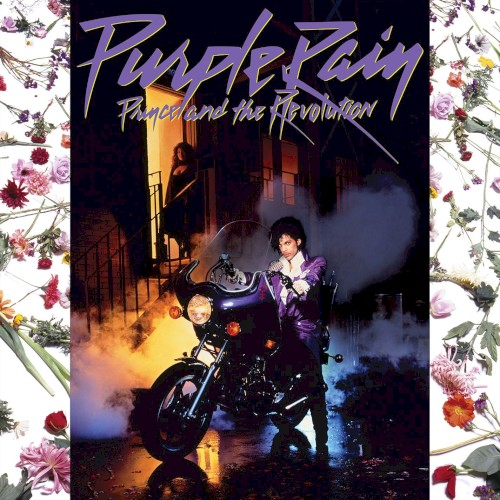
Purple Rain: Prince's Live-Tracked Masterpiece
Prince and The Revolution">Prince and The Revolution's 1984.html" class="entity-link" title="Explore Purple Rain">Purple Rain (Warner Bros., 1984) doubled as the soundtrack to his own film debut, and its title track's iconic recording was tracked live at Minneapolis's First Avenue club on August 3, 1983, engineered by David Z before the reels moved to Sunset Sound in L.A. for overdubs and mixing. Prince made the bold, against-convention choice to strip 'When Doves Cry' of its bassline entirely — a decision he made alone in the studio that helped the single become a genre-defying #1 hit. The album went on to sell 13 million+ copies and win the Academy Award for Best Original Song Score.
2026-08-22 · on-this-day
Purple Rain Began Its Historic 24-Week Reign at #1
On August 4, 1984, Purple Rain reached #1 on the Billboard 200 after debuting at #11 four weeks earlier — and stayed there for 24 consecutive weeks, one of the longest #1 runs in chart history, through January 18, 1985. That same period, Prince held the #1 album, #1 single ('When Doves Cry'), and #1 movie in America simultaneously, a feat only he, Elvis Presley, and the Beatles have ever pulled off.
2026-08-22 · collector-tip
Spotting an Original Purple Rain Pressing
First-year US pressings of 1984.html" class="entity-link" title="Explore Purple Rain">Purple Rain were issued on Warner Bros. Records under catalogue number 1-25110, typically packaged with the original fold-out poster insert. If you're chasing an era-correct copy, confirm that catalogue number and check for the poster and inner sleeve rather than assuming any black-vinyl copy is a true 1984 first pressing — later reissues and remasters carry different numbering.
2026-08-20 · spotlight
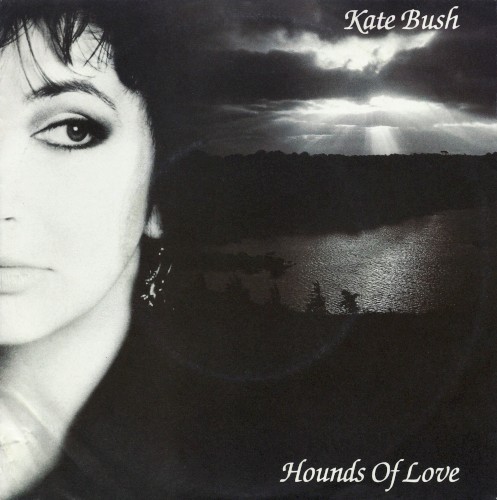
Kate Bush's Studio Revolution: Hounds of Love
Released in 1985 on EMI, Kate Bush's Hounds of Love hit #1 in the UK and is remembered as one of the most experimental pop records of the decade. Bush wrote and produced it herself using a Fairlight CMI synthesizer and a LinnDrum machine, sampling everything from strings to spoken word. Side two, 'The Ninth Wave,' is a conceptual suite about a woman lost at sea — bold, ambitious, and decades ahead of its time.
2026-08-20 · trivia
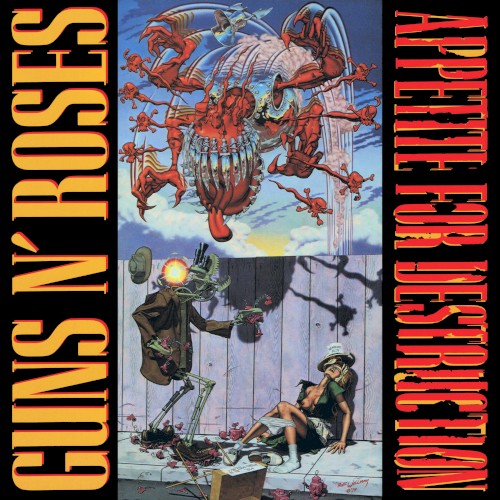
The Original Appetite for Destruction Cover Got Pulled
Before the now-iconic skull-cross artwork, Guns N' Roses' 1987 debut Appetite for Destruction originally shipped with Robert Williams' painting 'Appetite for Destruction' — a robot about to be crushed by a monster after assaulting a woman. Retailers refused to stock it, so Geffen quickly swapped in the tattoo-style cross design. Copies with the original artwork (labeled 'Uzi Suicide' on the back) are now serious collector's items.
2026-08-20 · trivia
"Running Up That Hill" Turns Another Year Older This Month
Kate Bush released 'Running Up That Hill (A Deal with God)' as the lead single from Hounds of Love on 5 August 1985 via EMI. It reached #3 on the UK singles chart at the time — decades before its 2022 Stranger Things-fueled resurgence sent it to #1. A reminder that great 80s vinyl never really goes out of style.
2026-08-20 · collector-tip
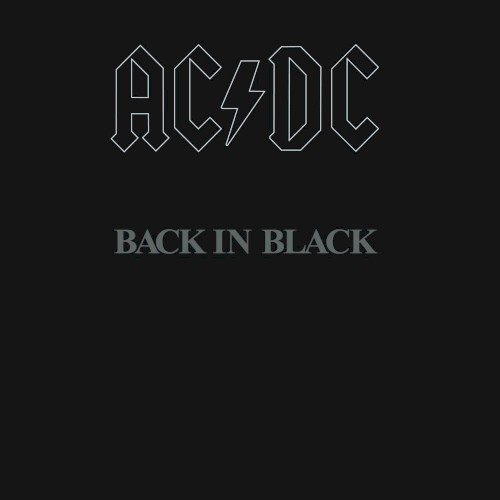
Back in Black's All-Black Sleeve Was a Deliberate Tribute
AC/DC's 1980 Atlantic Records release Back in Black famously ships with an all-black cover, a stark tribute to late singer Bon Scott who died months before recording began. It's now the best-selling rock album of all time. When collecting, original early-1980s Atlantic pressings are prized for their deep black gatefold finish — check matrix runout etching to confirm first-press status before paying a premium.
2026-08-20 · collector-tip
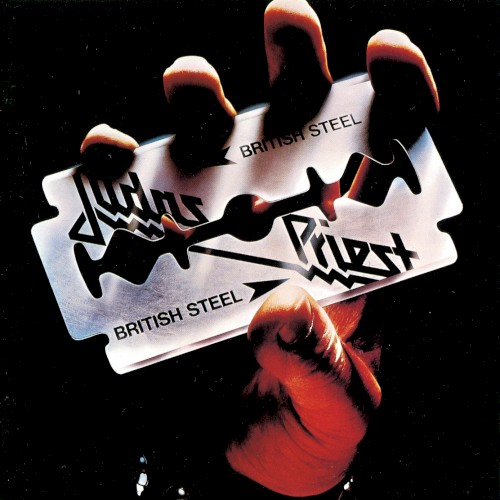
British Steel's Kitchen-Drawer Percussion
Judas Priest recorded 1980's British Steel at Ringo Starr's Tittenhurst Park studio without access to digital sampling, so they improvised: smashed milk bottles became the crash on 'Breaking the Law,' shaken cutlery drawers provided the metallic clatter on 'Metal Gods,' and a waved billiard cue supplied the laser-like whoosh on 'Rapid Fire.' Original UK pressings on CBS/Columbia remain a solid entry point for NWOBHM collectors building out a first-wave metal shelf.
2026-08-20 · on-this-day
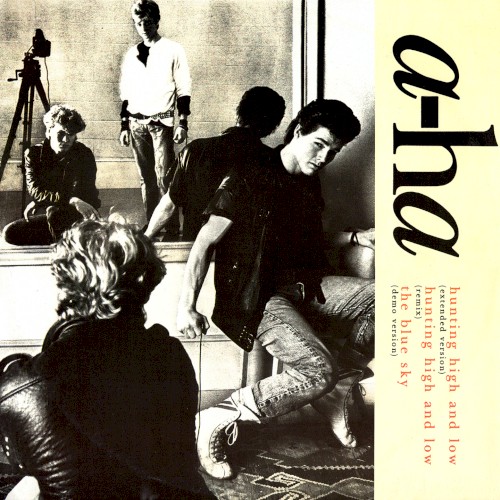
"Take On Me" Hit #1 in America
On October 19, 1985, a-ha's 'Take On Me' topped the Billboard Hot 100 after a remarkable 15-week climb from as low as #91, propelled by its groundbreaking rotoscoped-animation video. The single came off the Norwegian trio's debut LP Hunting High and Low, which went on to sell 10 million+ copies worldwide and remains one of the decade's defining synth-pop statements.
2026-08-20 · spotlight
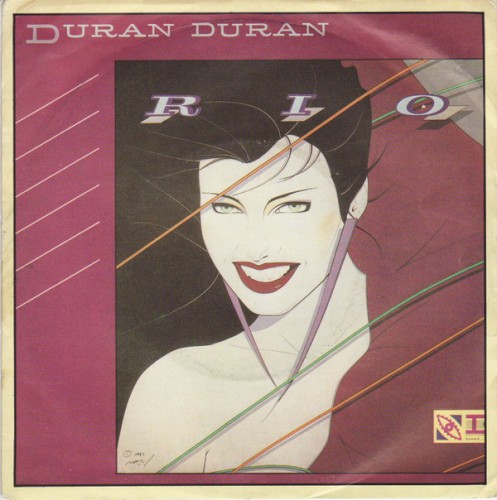
Rio: Duran Duran's MTV-Ready Blueprint
Released in 1982 on EMI/Harvest, Duran Duran's Rio paired producer Colin Thurston's slick, danceable synth-rock with some of the most iconic music videos of the era. The title track and 'Hungry Like the Wolf' turned the band into global stars and helped define the glossy, visual-first sound of New Wave's MTV boom. US audiences caught up a year late — Rio didn't crack the Billboard Top 10 until its 1983 reissue.
2026-08-20 · trivia
Master of Puppets' Bittersweet Legacy
Metallica's Master of Puppets, released in March 1986 on Elektra, became the band's first gold album and is widely regarded as thrash metal's crowning achievement. Tragically, it was also bassist Cliff Burton's final studio album — he was killed in a tour bus accident in Sweden that September while the band was still touring behind the record. His melodic, lead-guitar-style bass work on the LP remains hugely influential on generations of metal players.
2026-08-20 · spotlight
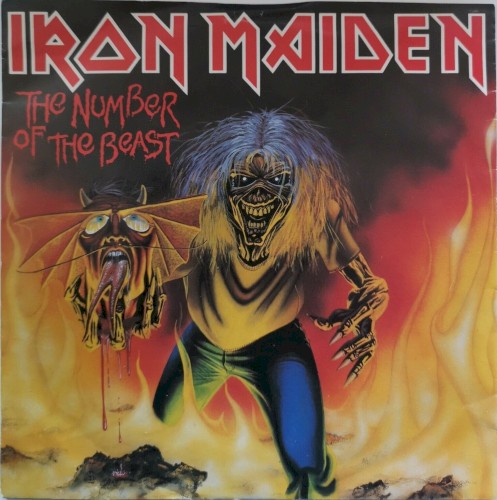
The Number of the Beast: How Bruce Dickinson Detonated NWOBHM
Iron Maiden's third album, released 22 March 1982 in the US and 29 March 1982 in the UK on EMI/Harvest, was the first to feature new vocalist Bruce Dickinson and the last with drummer Clive Burr. Produced by Martin Birch at Battery Studios, it fused galloping bass lines, twin-guitar harmonies and Dickinson's operatic range into a template that would define heavy metal for a decade. It became Maiden's first UK #1 album and remains one of the genre's defining NWOBHM statements — the spotlight of our week as we dig deeper into its recording history.
2026-08-20 · on-this-day
Maiden Takes the Throne: The Number of the Beast Hits UK #1
On 10 April 1982, The Number of the Beast entered the UK Albums Chart at #1 — Iron Maiden's first chart-topper — and held the position for a second week before a 31-week run in the Top 75. It also became the band's first Billboard 200 entry, peaking at #33 in the US. Not bad for an album that religious groups were publicly burning within months of release.
2026-08-20 · collector-tip
Spot a True First Pressing: The Number of the Beast's Blue Sky Error
Derek Riggs' original 1982 cover art for The Number of the Beast was printed with a blue sky behind Eddie and the Devil — a printer's mistake that wasn't corrected to black until the 1998 CD remaster. Original first-run vinyl copies (UK catalogue EMC 3400, US Harvest/Capitol ST-12202) with that blue-tinted sky are a quick way to confirm you're holding an early pressing rather than a later reissue. Always check the sleeve art alongside matrix runout numbers before paying a premium.